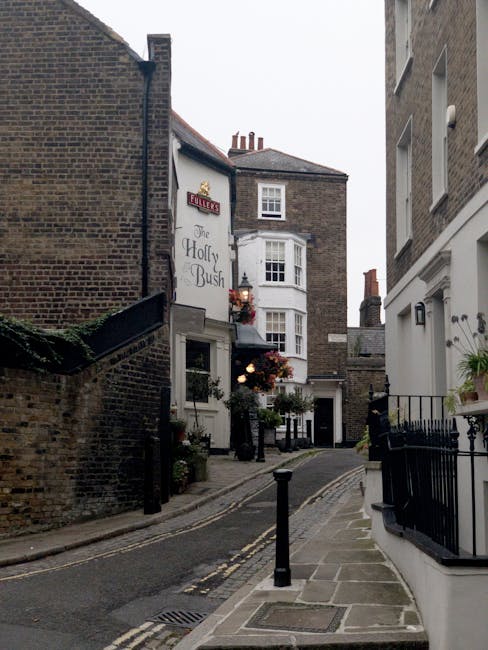
What to know about removals with narrow access on Iverson Road
If you are planning a move on Iverson Road, narrow access can change the whole feel of the day. A job that looks simple on paper can become a careful little puzzle once you add tight staircases, limited parking, shared entrances, awkward turns, or a van that simply cannot get as close as you hoped. That is exactly why What to know about removals with narrow access on Iverson Road matters before anyone starts lifting boxes.
The good news? Narrow access does not automatically mean difficult removals. It just means the planning has to be better, the packing has to be tidier, and the loading plan has to be more realistic. In practice, that often saves time and stress. It can also reduce the chance of damage to furniture, walls, and your nerves, which, let's face it, are already doing enough work on moving day.
In this guide, we will walk through the practical side of narrow-access removals, what tends to go wrong, how to prepare, and which options make the most sense if you are moving on or near Iverson Road. If you are also weighing storage or a mixed removals-and-storage job, you may find it useful to look at removals and storage solutions as part of the planning.
Table of Contents
- Why narrow access matters on Iverson Road
- How narrow-access removals work in practice
- Key benefits and practical advantages
- Who this is for and when it makes sense
- Step-by-step guidance
- Expert tips for better results
- Common mistakes to avoid
- Tools, resources and recommendations
- Law, compliance, standards and best practice
- Options, methods and comparison
- Case study or real-world example
- Practical checklist
- Conclusion
- Frequently asked questions
Why What to know about removals with narrow access on Iverson Road Matters
Narrow access sounds like a small issue until you are standing in a hallway with a sofa that will not turn, or watching a van arrive and realise the kerb space is already taken. On streets like Iverson Road, the challenge is often not the distance of the move. It is the shape of the route between the property and the vehicle.
That route can include narrow front doors, communal corridors, basement stairs, internal landings, parking restrictions, low walls, side gates, or a long carry from the road. Even one of those can slow things down. Two or three together can change the whole approach. And for anyone moving from a flat, a converted house, or a property with awkward access, this is not a rare edge case. It is a normal part of the job.
Why does it matter so much? Because access affects four things at once:
- Time - a longer walk between property and van takes more labour time.
- Safety - awkward lifts and sharp turns increase the risk of injury or damage.
- Vehicle choice - not every van can park where you want it to.
- Packing style - bulky or poorly packed items are harder to move through tight spaces.
To be fair, many moving problems are really access problems in disguise. A team can be very experienced and still be slowed by a stairwell that barely gives room for a mattress, or by a street where double parking is not practical. That is why the best removals plan starts with a proper look at the access, not with the lifting.
If you are comparing moving support options, it can help to understand the difference between a full service move and a lighter-touch setup such as man and van support or a broader removals service, depending on how much needs to be carried and how tricky the access is.
How What to know about removals with narrow access on Iverson Road Works
A narrow-access move usually starts with a quick but detailed assessment. The aim is simple: work out the best path out of the property, the best way to park, the right number of people to send, and whether any items need extra protection or dismantling.
In practice, a removals team will usually look at:
- the width of doorways, stairs, and landings
- whether lifts are available and usable on moving day
- parking distance from the entrance
- the size and weight of awkward furniture
- the possibility of partial disassembly before the move
- where items can be staged safely while loading
Sometimes the access looks fine until you measure it. A chest of drawers can turn a corner just fine, but the wardrobe beside it may need two people and a bit of patience. A table might be light enough, yet its top is too wide to angle through a stairwell. This is normal. It is also why a proper assessment matters more than guessing.
Here is the basic flow most narrow-access removals follow:
- Survey the access - measure key points and identify bottlenecks.
- Choose the right vehicle - bigger is not always better if parking is tight.
- Plan the loading order - heavy, bulky, and fragile items are grouped sensibly.
- Prepare the property - protect floors, corners, banisters, and door frames.
- Load carefully - with enough people and the right equipment for safe handling.
- Check the destination - because the new place may have narrow access too. That part gets overlooked more than you would think.
In many cases, a move with narrow access is easier when supported by storage. If your furniture does not need to be delivered in one go, short-term storage or secure storage can make the process far calmer. You move in phases instead of forcing everything through a cramped entrance at once. Honestly, that can be the difference between a stressful morning and a manageable one.
Key Benefits and Practical Advantages
It may sound odd to talk about benefits when the topic is narrow access, but there are genuine upsides to planning the move properly. A well-handled narrow-access move is usually tidier, safer, and less chaotic than a rushed standard move.
- Lower damage risk - better route planning means fewer scrapes on walls and furniture.
- Faster loading decisions - the team knows in advance what must be dismantled or carried first.
- Less back-and-forth - if the van is positioned correctly, there is less wasted movement.
- Better safety - safer lifting and clearer walkways reduce avoidable problems.
- More realistic costs - once access is understood, the quote is usually more accurate.
Another benefit is peace of mind. Narrow-access moves often feel unpredictable to residents, especially if they have never done one before. Clear planning takes away that fog. You know where the van is going to sit. You know whether the sofa is coming apart. You know whether the team needs trolley boards, shoulder straps, or just extra hands. Small things, but they matter.
There is also a commercial benefit for landlords, agents, and businesses. If the move is happening in a shared block or office building, good planning helps minimise disruption for neighbours, reception staff, and anyone else trying to get on with their day. A tidy, controlled move is always easier to live with than a noisy one that spills into the pavement.
If the move is part of a larger transition, for example relocating an office or clearing a flat before refurbishment, you may also want to explore office removals or flat removals depending on the type of property involved.
Who This Is For and When It Makes Sense
This topic is relevant for more people than you might think. Narrow access is not just a problem for top-floor flats with tiny staircases. It comes up in all sorts of everyday moves.
You are likely in the right place if you are:
- moving into or out of a flat on Iverson Road
- dealing with a basement or raised-ground property
- moving large furniture through a tight entrance
- trying to avoid damage in a hallway or stairwell
- working around limited parking or a long carry
- moving office items, student contents, or a small household load
It also makes sense if you are deciding whether to do the move yourself or use help. Narrow access changes that decision. A move that would be straightforward with a wide driveway can become exhausting once the van must park some distance away. A local, smaller-van approach may be a better fit than a large lorry. Sometimes the lighter option is the smarter one. Plain and simple.
For students, temporary residents, or people between tenancies, combining a move with storage often reduces pressure enormously. If that sounds familiar, have a look at student storage or household storage as part of a phased move.
Step-by-Step Guidance
If you want a move on Iverson Road to feel manageable, the best approach is methodical. Nothing fancy. Just solid preparation.
1. Measure the access properly
Start at the front. Measure the width of the gate, door, hallway, stairs, and any turning points. If there is a lift, note the door width and internal size. Also check ceiling height where tall furniture may need to be angled. A quick tape measure session can save a lot of swearing later. True story.
2. Identify the awkward items early
Large sofas, wardrobes, bed frames, headboards, mirrors, and dining tables usually deserve special attention. If something is bulky, heavy, or fragile, flag it early. Ask yourself: can this item be moved as one piece, or would it be safer in parts?
3. Clear the route
The path from room to van should be as uncluttered as possible. That includes shoes, loose rugs, kids' toys, plant pots, and those random bits that somehow multiply in hallways. The cleaner the route, the safer the move.
4. Decide whether to dismantle furniture
Some items are simply easier to move in sections. Bed frames, tables, shelving, and some wardrobes often benefit from careful dismantling. Keep screws, fittings, and instructions together in labelled bags. It sounds almost too obvious, yet people still lose them. Every week.
5. Plan parking and timing
If the van cannot park immediately outside, work out the next best option and allow time for the extra carry. Mornings are often easier than afternoons on busy roads, but local conditions can vary. The point is to plan for reality, not wishful thinking.
6. Protect the property
Use floor coverings, corner protectors, and doorframe padding where needed. In shared buildings, this is especially useful. It keeps the move cleaner and shows respect for the space.
7. Have a fallback plan
What happens if the wardrobe will not turn the corner? What if parking is tighter than expected? Narrow-access jobs go better when there is a simple backup plan, such as an alternative carry route, temporary storage, or a small second trip.
If you know the move is likely to be fragmented, mobile self-storage can also be a clever middle ground. It keeps the process flexible without turning your home into a permanent obstacle course.
Expert Tips for Better Results
A few practical habits make a big difference on narrow-access jobs.
- Send photos before moving day - pictures of the stairwell, entrance, and parking area help the team prepare properly.
- Be honest about item sizes - guessing low on a sofa width is a classic mistake, and not a helpful one.
- Label items that need priority - especially if you need beds, essentials, or office equipment first.
- Use smaller boxes for heavy items - books in giant boxes are a bad idea. They become tiny weightlifting sessions.
- Keep corridors usable - if there are neighbours, shared halls should stay passable and safe.
- Separate fragile items early - mirrors, lamps, glass, and artwork should not be left until the end.
One thing experienced movers notice quickly: the move is often smoother when the client has already made the first difficult decisions. Which items are leaving? Which stay? What needs storage? Which furniture should be dismantled? That clarity saves time. And a little time, on a narrow-access move, goes a long way.
If your move includes business paperwork or boxed files, document storage may be worth considering, especially if you need to keep records safe while office access is restricted or staged.
Common Mistakes to Avoid
Narrow-access removals tend to expose poor planning very quickly. Here are the mistakes that cause the most grief.
- Ignoring the access until moving day - by then, it is too late to change much.
- Choosing a van that is too large - if it cannot get close, the extra size does not help.
- Underestimating carry distance - fifty metres with heavy furniture is a different game altogether.
- Leaving fragile items unwrapped - tight turns and exposed edges do not mix well.
- Forgetting the destination access - the new place may have equally awkward entry points.
- Not preparing shared spaces - neighbours, managers, and building rules matter.
Another common slip is assuming that a "small" move is always simple. It is not. A few large pieces in a cramped flat can be harder to manage than a full box move in a spacious house. The amount of stuff is only one part of the puzzle.
If the move is particularly tight, a smaller-scale service such as small removals may be a better fit than a bigger setup built around volume rather than access.
Tools, Resources and Recommendations
You do not need a van full of specialist kit to handle narrow access, but the right tools help. Good movers typically bring practical items that make the job safer and smoother.
- furniture blankets and wrapping materials
- trolleys or sack trucks where appropriate
- shoulder straps for heavy items
- floor protection
- corner guards for doorframes and walls
- basic tools for dismantling furniture
- labels, tape, and bags for fittings
From the customer side, a few simple resources are worth having ready: a tape measure, photos of the property, a floor plan if available, and a written list of the largest items. Nothing dramatic. Just enough information for sensible planning.
If you are arranging a move that may need overnight or interim holding, take a look at long-term storage or furniture storage depending on how long items need to stay put. For business owners, business storage can be a practical backup while access is being managed in stages.
Expert summary: the best narrow-access moves are not rushed, not guessed, and not overpacked. They are planned around the route, the furniture, and the parking reality. If those three things are clear, the rest is much easier.
Law, Compliance, Standards and Best Practice
For a move like this, you do not normally need to wrestle with complex legal procedure, but there are still important standards and duties to keep in mind. UK removals work should be carried out safely, with proper care for people, property, and traffic conditions. In practice, that means lifting safely, keeping access routes clear, and avoiding hazards wherever possible.
Common best-practice expectations include:
- safe manual handling
- clear communication before and during the move
- reasonable protection of walls, floors, and shared areas
- appropriate insurance awareness
- careful parking and loading that does not create avoidable risk
It is also sensible to check the terms of service before booking. That helps you understand what is included, what happens if access is worse than expected, and whether there are conditions around cancellations, delays, or storage. For clarity on that side of things, the terms and conditions and insurance and safety guidance are worth reading before you commit.
If payment is part of your decision-making, it is sensible to understand how charges are handled and how secure transactions are managed. A move becomes easier when the paperwork is clear, which sounds boring, but it is true. Very true.
Options, Methods and Comparison
Different narrow-access moves call for different approaches. Below is a simple comparison to help you think through the options.
| Approach | Best for | Pros | Watch-outs |
|---|---|---|---|
| Full removals team | Larger homes, awkward furniture, multiple rooms | More hands, better for heavy items, more organised loading | Can be more than you need for a tiny move |
| Man and van | Smaller loads, flexible access, short local moves | Often nimble, practical, good for partial loads | May need more customer involvement and planning |
| Removals with storage | Staged moves, renovations, delayed completion dates | Reduces pressure, gives breathing room | Needs extra coordination and cost planning |
| Small removals | Single-room or low-volume moves | Efficient and usually easier to fit around narrow access | Less ideal for bulky or mixed household contents |
There is no one-size-fits-all answer. If your access is tight but your load is light, a smaller, more flexible setup may be ideal. If you have a lot of furniture and awkward stairwells, a more structured removals team is usually better. If there is uncertainty about where items are going, storage gives you breathing room.
For nearby jobs, local removals can be a sensible route if the move is short distance but logistically fiddly. And if you need a bit more packing help than expected, packing services can reduce the risk of damage on tight turns and stairwells.
Case Study or Real-World Example
Imagine a move from a first-floor flat on Iverson Road. The hallway is narrow, the stairs bend halfway up, and the parking space outside is not available for long. The client has a sofa, a double bed, a mirror wardrobe, and several boxes of books. Nothing outrageous. But enough to cause trouble if handled casually.
On paper, the move looks like a half-day job. In reality, it becomes smoother when the team does three things early: checks measurements, dismantles the wardrobe in advance, and stages the boxes so they can be loaded in the right order. The sofa goes out before the heavier boxes. The bed frame comes apart. The mirror sections are wrapped, not dragged. And because the van cannot sit directly outside all day, the team schedules the carry windows carefully.
The result is not dramatic. That is the point. No scuffed walls, no frantic reshuffling, no one standing in the hall wondering how a mattress got stuck halfway down the stairs. Just a move that feels controlled. Quietly competent, which is what you want on a day like that.
If the client had needed extra time between leaving one property and entering the next, they could have used short-term storage to bridge the gap. Simple, practical, and much less stressful than trying to solve everything in one frantic push.
Practical Checklist
Use this checklist before a narrow-access move on Iverson Road:
- Measure doors, stair widths, landings, and any lift access
- Take photos of the route from room to van
- List every bulky or fragile item
- Decide what needs dismantling
- Confirm parking options and carry distance
- Clear the hallways and protect the floors
- Label boxes by room and priority
- Set aside essentials for the first night
- Confirm whether storage may be needed
- Check terms, insurance, and payment details
Quick practical tip: keep a small "do not stack" label sheet handy. It seems minor, but in a tight move it helps protect lamps, mirrors, and the odd box of fragile bits that always gets forgotten until the last minute.
Conclusion
What to know about removals with narrow access on Iverson Road comes down to a simple idea: the route matters as much as the load. Once you understand the access, the move stops being a guessing game. You can choose the right van, the right people, and the right method, whether that means a full removals team, a smaller setup, or a move supported by storage.
The best outcomes usually come from calm preparation. Measure first. Be honest about the awkward furniture. Plan for the parking reality. And do not be afraid to split the move into stages if that makes more sense. There is no prize for doing everything the hard way.
Get a free quote today and see how much you can save.
And if you are still weighing up the safest, neatest way to handle the move, take your time. A little planning now can save a lot of effort later, and that is a good trade every single time.
Frequently Asked Questions
What does narrow access mean for a removals job?
Narrow access means the property is harder to enter, exit, or load from because of tight doorways, stairs, limited parking, or a long carry route. It can affect timing, vehicle choice, and how furniture is handled.
Do removals with narrow access take longer?
Usually, yes. Even a small increase in carry distance or a difficult staircase can add time. The exact impact depends on the layout, the size of the load, and whether furniture needs dismantling.
Can a large van still be used on Iverson Road?
Sometimes, but not always. A larger van is only useful if it can park safely and close enough to the property. In narrow-access situations, a smaller or more flexible vehicle may be the better option.
Should I dismantle furniture before the move?
If you can do so safely, dismantling bulky items often helps. Beds, tables, shelving, and wardrobes are common candidates. It can make tight corners easier and reduce the risk of damage.
What items cause the most trouble in narrow hallways?
Sofas, mattresses, wardrobes, mirrors, and large tables are the usual problem items. Their size or shape can make turning corners difficult, especially on stairwells with limited space.
Is storage useful for a narrow-access move?
Yes, very often. If the move needs to happen in stages or if the destination is not ready, storage can take pressure off the day and reduce the amount of furniture being moved through tight spaces at once.
How do I prepare a flat with narrow access?
Measure the route, clear hallways, protect floors, label boxes, and flag any awkward furniture early. Photos of the entrance and stairs are also very helpful when planning the move.
What should I tell the removals team before moving day?
Tell them about stairs, lifts, parking restrictions, the narrowest points, and any heavy or fragile furniture. The more accurate the information, the better the plan.
Are narrow-access removals more expensive?
They can be, because they may take longer and require more care or extra labour. That said, accurate planning can help keep costs sensible by avoiding unnecessary delays or failed attempts.
Can you move everything in one trip if access is tight?
Sometimes yes, sometimes no. It depends on load size, vehicle access, and how manageable the property layout is. A staged move can be the wiser choice if the access is very constrained.
What if the parking outside is not available on the day?
That is exactly why backup planning matters. If the van cannot stop directly outside, the team may need to work from an alternative parking point and allow for a longer carry.
What is the safest way to move large furniture through a narrow stairwell?
The safest way is usually careful planning, enough people, good communication, and the right protective materials. In some cases, partial dismantling or using storage is the smarter answer rather than forcing the item through.