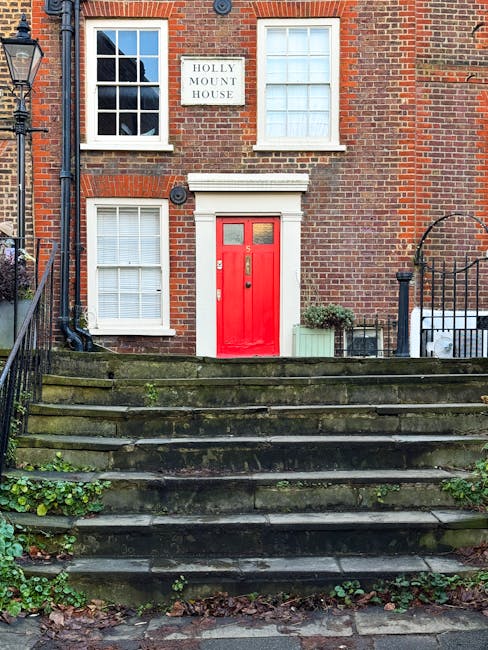
Camden Council house move permits and removals rules: a practical guide for stress-free moving
Moving house in Camden can feel straightforward on paper, then suddenly get a bit messy in real life. One minute you are arranging boxes, the next you are staring at a narrow street, a busy pavement, a controlled parking zone, and a removals van that definitely cannot just "pop round later". That is where Camden Council house move permits and removals rules come in. They are the small details that decide whether moving day runs smoothly or becomes one of those long, slightly fraught London mornings nobody wants to repeat.
This guide explains how the rules usually work, why they matter, and what to check before the van arrives. It also covers parking, access, building restrictions, timing, and the practical bits people often overlook until the day before. If you are moving within Camden, into Camden, or out of the area, a little planning goes a long way.
- Why Camden Council house move permits and removals rules matter
- How the system works
- Key benefits and practical advantages
- Who this is for and when it makes sense
- Step-by-step guidance
- Expert tips for better results
- Common mistakes to avoid
- Tools, resources and recommendations
- Law, compliance, standards and best practice
- Options, methods and comparison
- Case study or real-world example
- Practical checklist
- Conclusion
- Frequently asked questions
Why Camden Council house move permits and removals rules Matters
In a borough like Camden, moving is rarely just a case of turning up with a van and loading everything in twenty minutes flat. Roads can be tight. Parking can be limited. Some streets have restrictions that are easy to miss if you are only looking at the property and not the street outside it. And if you are moving from a flat, there may be building rules layered on top of council parking and access rules. Bit of a juggling act, really.
Getting the move permit or parking arrangement right matters because it reduces the chance of delays, fines, neighbour complaints, or a van having to park too far away to make unloading practical. It also helps your removals team plan the vehicle size, crew size, arrival time, and loading sequence. That sounds unglamorous, but it saves stress. And on moving day, stress is usually the thing you are trying hardest to avoid.
People often think "we only need the van for a short time". True, maybe. But short jobs can still be blocked by permit rules, bay suspensions, yellow lines, loading restrictions, or shared access arrangements. The rules exist because Camden streets are busy and space is at a premium. Once you understand that, the whole process makes more sense.
Practical takeaway: treat parking and access as part of the move itself, not an admin extra. If you wait until the last minute, the simplest move can become oddly complicated.
How Camden Council house move permits and removals rules Works
Exact arrangements can vary by street, property type, and the date of the move, so it is wise to check the latest local requirements before booking your removals slot. In general, the process revolves around three things: where the vehicle will park, how long it will need access, and whether any restrictions apply to the street or building.
Most moving jobs in Camden involve at least one of these practical questions:
- Can a removals van stop legally near the property?
- Is there enough space for loading or unloading?
- Are there parking controls, resident bays, or loading restrictions?
- Do you need a suspension, permission, or another local arrangement?
- Are there building rules about lift bookings, entry times, or protective coverings?
For some moves, a straightforward parking space is enough. For others, you may need to arrange something more formal, especially where the van would otherwise obstruct traffic, use a restricted bay, or block access. Flats and apartment buildings can add another layer, because concierge rules, lift time slots, and service entrance rules are common in London. If you have ever tried to carry a sofa through a narrow communal hallway at 8am, you will know why this matters.
The practical flow usually looks like this:
- Check your property type and street layout.
- Review any restrictions on the road and outside the building.
- Confirm whether a permit, bay suspension, or alternative parking plan is needed.
- Match the vehicle size and timing to the available access.
- Build the move schedule around lift access, neighbour considerations, and loading time.
When removals firms quote for a Camden job, they often ask questions that seem fussy at first. They are not being awkward. They are trying to avoid a day where the van cannot get near the entrance, or the crew has to carry everything an extra block. That is expensive, tiring, and avoidable.
Key Benefits and Practical Advantages
Following Camden Council house move permits and removals rules gives you more than just compliance. It gives you control. That is the real benefit.
Here is what good preparation usually achieves:
- Less risk of disruption: if the van has a legal and workable place to stop, the move starts on time.
- Fewer surprises: parking controls and access restrictions are checked in advance rather than discovered mid-move.
- Better crew planning: the removals team can bring the right number of people and the right equipment.
- Smoother building relations: neighbours, porters, and building managers are less likely to be annoyed if the move is organised.
- Lower physical strain: shorter carrying distances mean less risk of damage to furniture and walls, and less exhaustion for everyone involved.
There is also a quieter benefit that people forget: peace of mind. A lot of moving-day tension comes from not knowing whether the logistics are sorted. Once the parking and access plan is in place, the whole move feels more manageable. You notice the difference the moment the first box goes in without drama.
For families, renters, students, and anyone with a tight schedule, that calm is worth a lot. Even a small delay can ripple through the rest of the day. Nursery run, work handover, lift booking, key collection, all of it. It stacks up.
Who This Is For and When It Makes Sense
This topic is relevant to more people than you might think. It is not just for large household removals with a lorry outside the house. If you are moving anything that needs a van, or if your street has limited parking, you should pay attention.
You are likely to need this guidance if you are:
- moving home within Camden
- moving into Camden from another London borough
- leaving Camden and need collection parking arranged correctly
- moving from a flat, maisonette, or converted building
- using a removals van, man and van, or smaller carrier vehicle
- working around a controlled parking zone or restricted street
- dealing with a building manager, concierge, or shared entrance
It also makes sense if you are moving a few larger items rather than a full household. A sofa, bed, wardrobe, or office desk can still need proper access planning. In fact, some small moves are more awkward because people assume they will be easy. Then the van arrives and the driver has nowhere sensible to stop. Not ideal.
Landlords and estate agents may also find this useful, especially when they are coordinating tenancies with tight turnaround times. If keys are handed over in the morning and the old tenant is still loading at lunch, the parking and access arrangements suddenly become everyone's problem. Better to solve it early.
Step-by-Step Guidance
If you want the safest route through Camden Council house move permits and removals rules, use a simple step-by-step approach. Nothing fancy. Just good housekeeping, really.
1. Identify the exact move date and time window
Start with the date, then work backwards. Moving on a weekday morning is very different from moving on a Saturday afternoon. Traffic, parking pressure, and building access can change dramatically. If your building has service hours, those matter too. A 15-minute difference can become a headache, especially if you are trying to fit around lift bookings.
2. Check the street outside both properties
Do not just look at the destination. Check both ends of the move. Sometimes the departure address is easy and the arrival address is the tricky one. Look for yellow lines, resident bays, loading restrictions, bus stops, junctions, and any obvious signs that stopping might be limited. If something looks awkward to park in, it probably is.
3. Confirm whether special parking arrangements are needed
Depending on the location, you may need a permit, bay suspension, or a different parking strategy. The exact rule depends on the road and the type of restriction, so do not assume one street behaves like the next. Camden is full of roads that look similar until you get there and realise the parking signs tell a different story.
4. Tell your removals company the practical details
Give the removals team accurate information about the property type, floor level, access route, lift availability, parking distance, and any restrictions. If there is no lift, say so. If the entrance is up steps or around the back, say that too. Good movers will use this to plan labour, equipment, and timings.
5. Book building access or protective measures early
Where relevant, reserve lift times, loading bays, concierge access, or service entrance arrangements in advance. If you are in a block of flats, ask whether floor protection, wall coverings, or floor runners are expected. These details sound small, but they can prevent a complaint or damage claim later.
6. Prepare a backup plan
Because let's face it, things can change. A parked car can block the space. A neighbour can be unloading. A road closure can pop up without warning. It is wise to have a fallback plan for where the van can legally stop if the first option disappears. That little bit of flexibility can save the morning.
7. Confirm again the day before
One quick check the day before the move is worth doing. Confirm timings, access, and any special instructions. If there has been a change in weather, road works, or building rules, you will be glad you checked. The sound of rain on a Camden street at 7am changes the mood fast, so make sure the plan is still realistic.
Expert Tips for Better Results
These are the sort of practical things that make a difference in the real world, not just on paper.
- Measure the awkward items first. Sofas, mattresses, mirrors, and wardrobes are the ones that cause trouble in narrow hallways and small lifts.
- Ask about access before choosing a van size. Bigger is not always better if the street is tight. A smaller vehicle with more trips can be the smarter move.
- Protect the route. Floor protection and corner guards can be a lifesaver in older buildings where scuffs show up quickly.
- Keep essentials separate. Put keys, documents, chargers, tea bags, and basic toiletries in one easy-to-reach bag. It sounds obvious until you need them.
- Use clear labelling. Boxes marked by room help the unload happen faster, especially when the crew is working under time pressure.
- Think about neighbours. Early starts and blocked entrances can cause friction. A polite note or a quick word can prevent an awkward complaint.
One of the best moves, honestly, is to make the removals firm part of the planning conversation early rather than at the last minute. Experienced crews know what to ask. They will often spot issues you have not noticed, such as a loading point that looks fine but is actually awkward once the van is in position.
And if your move is in a busier part of Camden, build in a cushion. Not a huge one, just enough to absorb the everyday stuff: a delay with keys, a lift taking longer than expected, a neighbour's car sitting exactly where you hoped to park. These things happen. No drama, just reality.
Common Mistakes to Avoid
Most moving problems are surprisingly ordinary. That is the frustrating bit. They are not dramatic disasters. They are small avoidable issues that snowball.
- Assuming parking will be easy: Camden streets can be deceptive. A space that looks available may still be unsuitable or restricted.
- Leaving permit checks too late: If you only investigate the day before, your options shrink fast.
- Forgetting the return journey: You may need access at both the old and new address, not just one.
- Booking a van that is too large: Oversized vehicles can create more problems than they solve in tight streets.
- Not telling the removals team about stairs or lifts: This leads to poor planning and longer loading times.
- Ignoring building rules: Some flats have very specific move-in and move-out instructions. Miss them and you may be delayed at the door.
- Forgetting about waste or packing leftovers: Boxes, wrap, and broken items need a plan too.
Another common one? People assume the move will take less time than it does. To be fair, everybody does that at least once. But if you are moving a family home, or a flat with limited access, give yourself more breathing room than you think you need.
Tools, Resources and Recommendations
You do not need a pile of specialist tools to manage a Camden move well. A few simple resources make a big difference.
| Tool or resource | What it helps with | Why it matters |
|---|---|---|
| Street map or parking check notes | Planning van access and restrictions | Helps you spot tight turns, narrow roads, and limited stopping space |
| Move-day checklist | Keeping tasks in order | Reduces forgotten items and last-minute panic |
| Box labels and colour markers | Room-by-room unloading | Speeds up settling in and reduces confusion |
| Measuring tape | Furniture and doorway checks | Helps avoid an awkward "that doesn't fit" moment at the front door |
| Protective wrap and floor coverings | Damage prevention | Useful in flats, shared corridors, and older properties |
From a service perspective, it can also help to choose a removals company that offers clear pricing, practical advice, and flexible move planning. If you are comparing service types, it is worth looking at options such as house removals, flat removals, and man and van support. Different move sizes need different approaches, and the cheapest-looking option is not always the best one for a busy Camden street.
If you are packing in stages or need a temporary holding space between move-out and move-in dates, it may also be worth looking at removals and storage, short-term storage, or secure storage. That extra breathing room can be a real lifesaver when completion times slip. Which, in London, they sometimes do.
Law, Compliance, Standards, or Best Practice
For a household move in Camden, compliance is mostly about respecting parking rules, access restrictions, building policies, and general road safety. You do not need to memorise legal jargon, but you do need to follow the practical rules that keep traffic moving and avoid penalties or complaints.
The safest approach is to treat all local restrictions as real and current until you have verified otherwise. That means looking carefully at road signs, checking whether parking bays are controlled, and not assuming you can stop anywhere "just for a minute". A minute is often enough to attract a ticket or block someone else's access.
Best practice usually includes:
- using legal parking or loading arrangements wherever possible
- keeping pavements, driveways, and entrances clear
- coordinating with building managers or landlords where required
- protecting common areas from damage
- booking realistic move times, especially in busy roads
- making sure the removals crew knows about any access limits in advance
If your move involves shared residential spaces, a professional approach matters even more. A little courtesy goes a long way in Camden blocks and terraces. People notice when a move is controlled and considerate. They also notice the opposite, unfortunately. It is one of those things.
Options, Methods, or Comparison Table
There is no single right way to organise a move in Camden. The best option depends on the size of the property, the access available, and how much lifting you want to handle yourself.
| Option | Best for | Pros | Watch out for |
|---|---|---|---|
| Full removals service | Households with larger volumes, furniture, or time pressure | Hands-off, efficient, better for tricky access | Usually costs more than DIY or partial help |
| Man and van | Small to medium moves, flats, student moves, single-room moves | Flexible, often practical for short local journeys | Can be less suitable for larger loads or complex access |
| DIY van hire | Very budget-conscious moves with limited furniture | Can look cheaper at first glance | You manage driving, loading, timing, and parking risk yourself |
| Removals plus storage | Moves with delays, gaps between tenancies, or staging needs | Gives breathing room if dates do not line up cleanly | Requires extra planning and coordination |
For many Camden moves, the best middle ground is a local removals service with experience in tight streets and flats. If the access is simple, local removals can be a sensible fit. If the job is smaller and the timing is flexible, small removals may be enough. And if you just need items moved across a short distance, a man and van setup can be efficient without being overkill.
Case Study or Real-World Example
Here is a realistic example. A couple moving from a second-floor flat near a busy Camden road had packed most things themselves, but left parking planning until the week of the move. On paper, the job looked simple: one van, one morning, one destination. In practice, the destination street had limited stopping space, the building lift was booked for a narrow window, and the hallway access at the old address was tighter than they expected.
What saved the move was not luck. It was a quick reset. They spoke with the removals team, shifted the collection time slightly, arranged the best legal stopping point available, and packed the final loose items the evening before so the crew could load fast. They also moved fragile items separately, which reduced risk in a narrow stairwell that creaked a bit underfoot. Small details, but they made a big difference.
The move was still a moving day, with the usual cups of tea, a missing charger, and one sofa that needed a careful angle through the door. But because the parking and access plan was realistic, it stayed manageable. No one was dragging boxes three streets away. No one was arguing with the clock. Truth be told, that is what a good move often looks like: slightly imperfect, but controlled.
Practical Checklist
Use this checklist the week before your move. It is simple on purpose.
- Confirm the move date, start time, and any building access windows
- Check the parking and loading situation at both addresses
- Ask whether a permit, suspension, or other local arrangement is needed
- Tell the removals team about stairs, lifts, narrow halls, or rear access
- Measure large furniture and key doorways
- Book lift times or concierge access if required
- Prepare floor protection or protective coverings if needed
- Label boxes clearly by room
- Pack essentials separately
- Have a backup plan if the first parking option is unavailable
- Check weather, traffic, and any last-minute access issues the day before
Quick summary: if you plan parking, access, and timing together, Camden moves become much easier to manage. Ignore one of those pieces and the whole thing can wobble a bit.
Get a free quote today and see how much you can save.
Conclusion
Camden Council house move permits and removals rules are not there to make life difficult. They exist because the borough is busy, the streets are often tight, and moving vehicles need a sensible place to work. Once you treat parking and access as part of the move rather than an afterthought, everything becomes calmer and more predictable.
The main lesson is straightforward: check early, plan carefully, and give your removals team the full picture. If you do that, you reduce risk, save time, and make the day much less stressful. That is worth its weight in boxes.
If you are moving soon, take it one step at a time. A bit of structure, a bit of local know-how, and a realistic plan can turn a complicated Camden move into something entirely manageable. And that, to be fair, is what most people want in the end.
Frequently Asked Questions
Do I need a permit for house removals in Camden?
It depends on the street, the parking restrictions, and how the removals vehicle will stop. Some moves can be managed with legal loading or parking arrangements, while others may need a specific local solution. Always check the exact situation for both addresses before moving day.
Can a removals van park in a resident bay for loading?
Sometimes, but only if the local rules allow it. Resident bays and loading permissions are not the same everywhere, so never assume a quick stop is automatically fine. A few minutes in the wrong bay can become a costly mistake.
How far in advance should I sort out Camden move parking?
As early as possible. A week or two ahead is far better than waiting until the last minute, especially if you are moving during a busy period or into a flat with building access rules. The earlier you check, the more options you tend to have.
What happens if the van cannot park near my property?
The crew may have to carry items further, adjust the vehicle position, or rework the loading plan. That can add time and make the move more tiring. In some cases, a different vehicle size or access plan is the better answer.
Are flat moves in Camden more complicated than house moves?
Often, yes. Flats can involve lift bookings, shared entrances, concierge rules, stairwell protection, and tighter parking access. That does not mean they are difficult every time, but they do usually need more coordination than a straightforward front-door house move.
Can I use a man and van service for a Camden move?
Yes, if the load is relatively small and the access is manageable. A smaller vehicle can be very useful on narrow streets or for single-room moves. For larger households, a full removals team may be the safer and faster choice.
What should I tell the removals company before booking?
Give them the property type, floor level, lift access, parking details, narrow access issues, and any building rules. The more accurate the information, the better they can plan the van size, crew size, and timing. It saves everyone a headache later.
Is storage useful if my move dates do not line up?
Very much so. If your move-out and move-in dates do not match neatly, short-term storage can keep your belongings secure in the gap. It is a practical fallback, especially when completion dates shift or access is limited.
Do I need to protect communal areas in a flat move?
Usually, yes, if there is any risk of damage to floors, walls, or corners. Many buildings expect movers to leave shared spaces tidy and protected. It is one of those things that makes a big difference to how smooth the day feels.
What is the biggest mistake people make with house moves in Camden?
Assuming the parking and access will "just work out". That is usually where trouble starts. Once you sort the local restrictions, lift times, and van access properly, the rest of the move becomes much easier to handle.
Can weather affect a Camden removals plan?
Absolutely. Rain makes loading slower, pavements slicker, and carrying more awkward. If the move is already tight on parking or time, bad weather can add pressure. It is worth building in a little extra time and keeping protective coverings close to hand.
What is the best way to keep a move on schedule?
Start early, label boxes clearly, pack essentials separately, and make sure the van has realistic parking access. A tidy, well-briefed move is usually a faster one. Not perfect, just well run.